17 Questions To Ask An Ayahuasca Retreat Before You Book
No Peruvian agency inspects ayahuasca retreats. The US State Department says so on its Peru country information page: the government “does not regulate groups that offer ayahuasca or kambo,” and those groups “may not follow health and safety rules.” That leaves the questions to ask an ayahuasca retreat as the only inspection anyone is going to run. Here are the 17 I would ask, in the order I would ask them, with what a passing answer sounds like and what a failing one sounds like. Our own answers to all 17 sit in a table near the end, including the one thing you can check in 60 seconds without speaking to us at all.
What Are the Right Questions to Ask an Ayahuasca Retreat?
The questions to ask an ayahuasca retreat are the checks that stand in for regulation: who reads your medical file and with what credentials, how many guests and maestros share the room, how far the nearest hospital is in minutes, what happens to your money if a doctor declines you, and who cooks the brew and what goes into it.
Order matters more than people expect. Ask the medical questions first, because a no there ends the conversation and saves you the other 16. Ask the money questions late, once you know whether the center can keep you safe. Most people do this backwards, start with price and photos, and end up negotiating with a center they should have ruled out in the first email.
Nobody Inspects Ayahuasca Retreats in Peru
There is no license, no inspection, and no register of approved centers in Peru. The same State Department page warns that US citizens “have suffered serious illness or death after taking these drugs” and “have also been sexually assaulted, injured, or robbed while under the influence of these substances.” That is the country’s own official warning about the thing you are about to book.
Through 2025 I visited 14 retreat centers across Peru and Costa Rica and asked each of them for a written medical protocol before booking. 4 sent one. That ratio is the reason this list exists. 10 centers were happy to take a deposit and unwilling to put their own safety process on paper, and not one of them was a bad center on the surface. They all had good photographs.
The research points the same way. The Global Ayahuasca Survey, published in PLOS Global Public Health in 2022, recorded acute physical adverse effects in 69.9% of 8,216 respondents, with 2.3% needing medical attention afterwards. What predicted harm was not price and not reputation. It was drinking in a non-supervised context, having a physical health condition, and having an anxiety disorder. Supervision and screening are the variables. Almost every question below is about one or the other.

Questions 1 to 5: Who Reads Your Medical File
These 5 decide whether the center can tell you no. A center that cannot say no to anybody is not screening, it is selling. Ask all 5 in your first email and read the reply for specifics rather than warmth.
1. Which Named Person Reads My Medical Form, and What Are Their Credentials?
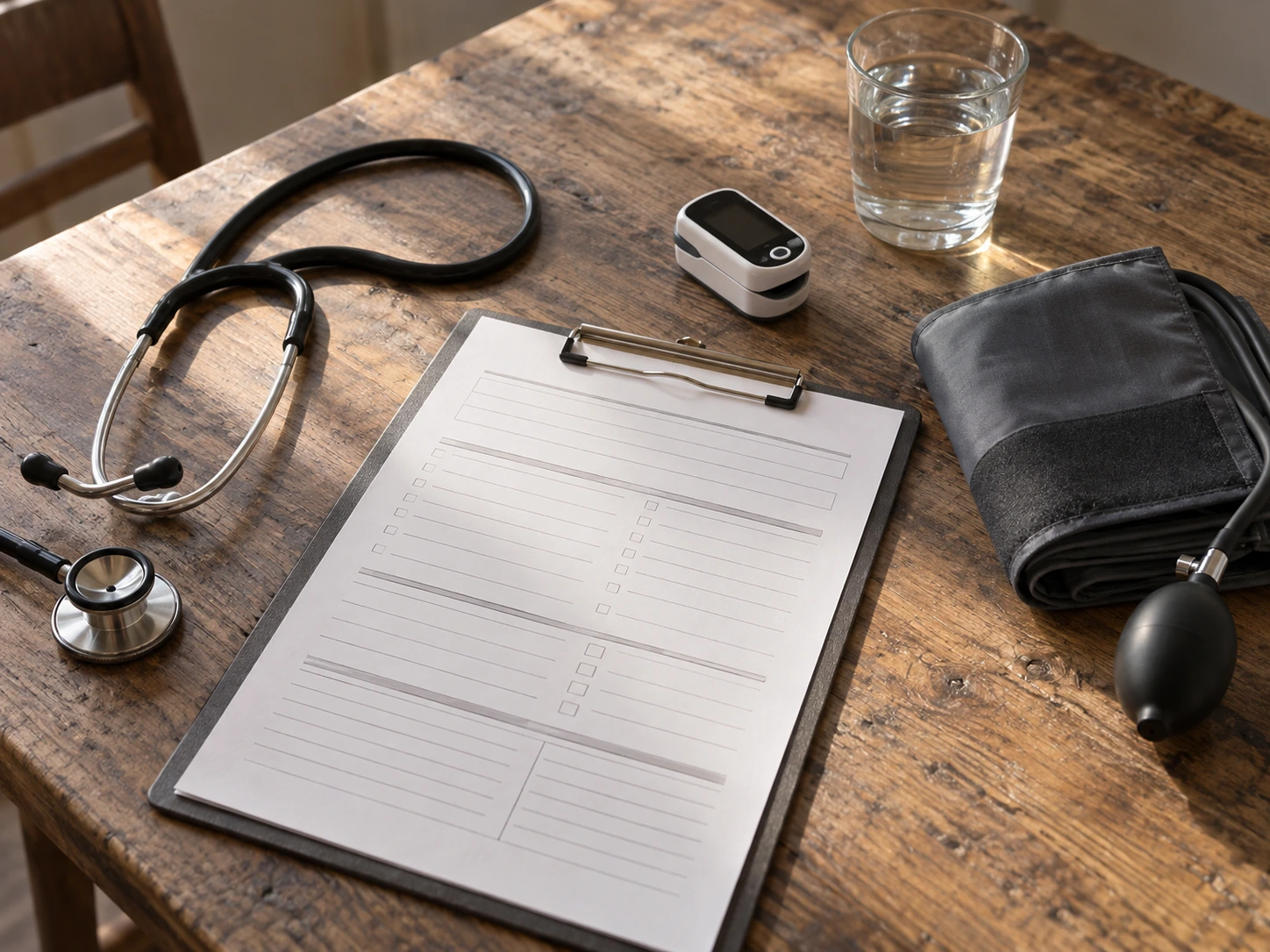
You want a name, a discipline and a city. “Our medical team reviews everything” tells you nothing at all. If the person reading your cardiac history is a facilitator with a weekend certificate, you have learned something worth more than any review.
2. Will You Put Your Medical Protocol in Writing Before I Pay Anything?
Ask for the document, not a description of it. This question sorted 14 centers into 4 and 10 for me in a single week. A center with a real protocol has it as a file already and sends it without a phone call first. A center without one will offer you a call instead.
3. What Is on Your Automatic No List?
A real answer names conditions. Diagnosed schizophrenia or bipolar I, a cardiac event inside 12 months, epilepsy, uncontrolled hypertension, severe liver disease, pregnancy and breastfeeding are the usual absolutes, and any MAOI medication rules a person out on chemistry alone. If a center says every case is individual and names nothing, it has no list.
4. What Share of Applications Do You Decline?
The number itself matters less than whether they know it. A center that tracks its own rejection rate is running a process. One that has never counted has not been turning many people away. Ask what the most common reason is, too. The answer tells you what they actually look for.
5. My Medication Is X. What Is the Taper, in Weeks, and Who Signs Off That It Is Done?
This is the highest-stakes question on the list and the one the industry answers worst. Most centers will tell you 2 weeks off an antidepressant. For fluoxetine that is not enough by the drug maker’s own standard: the FDA-approved label for Prozac states that “at least 5 weeks should be allowed after stopping PROZAC before starting an MAOI intended to treat psychiatric disorders,” because the drug and its active metabolite clear slowly. Ayahuasca is not a prescription MAOI and that label was not written about it, so treat 5 weeks as the conservative reading rather than a rule anyone has tested in a trial. A center that has never heard the number is not thinking about your pharmacology. Every taper belongs to your own prescriber, and any center that offers to plan one for you should worry you more than one that refuses.
Questions 6 to 9: What Happens in the Room at 2 a.m.
Everything in this group is about the hours when you cannot advocate for yourself. Ask them of the person who will actually be in the room, not the booking address.
6. How Many Guests and How Many Maestros Are in the Maloca at Once?
Ask for both numbers in the same sentence, because centers like to give you one. 25 guests with 2 healers and 25 guests with 8 are different nights. Ratio is the single number that decides how much individual attention exists at 2 a.m., and it is the number most likely to be quietly different from the website.
7. Who Is Medically Responsible During Ceremony, and Are They on Site or on Call?
“On call” in the Amazon can mean a boat ride in the dark. In the Andes it can mean a doctor asleep in Cusco. Ask where that person physically is between midnight and dawn, and whether they are awake. Ask what equipment is in the building, too. Oxygen and a defibrillator are cheap and most centers do not have them.
8. Is There a Woman in the Room for Every Ceremony?
The State Department warning about sexual assault is not abstract, and this industry has a documented problem. A center with a maestra and female facilitators present at every single ceremony has structural protection rather than a promise. If the answer is that women are present most of the time, that is a no.
9. What Is Your Touch and Consent Rule, and When Is It Explained?
The answer you want is that nobody touches you without asking first, every time, even if you said yes an hour ago. Then ask when guests hear that rule. If it is explained after the first cup, it is decoration. It should be said out loud in daylight, before anyone drinks.
Questions 10 to 12: Altitude, Distance and the Way Out
This group is where Peru stops being interchangeable with Costa Rica or Brazil. Geography here is a medical variable, and almost nobody puts it on a checklist.
10. How High Is the Center, and How Many Days Do I Get Before the First Ceremony?
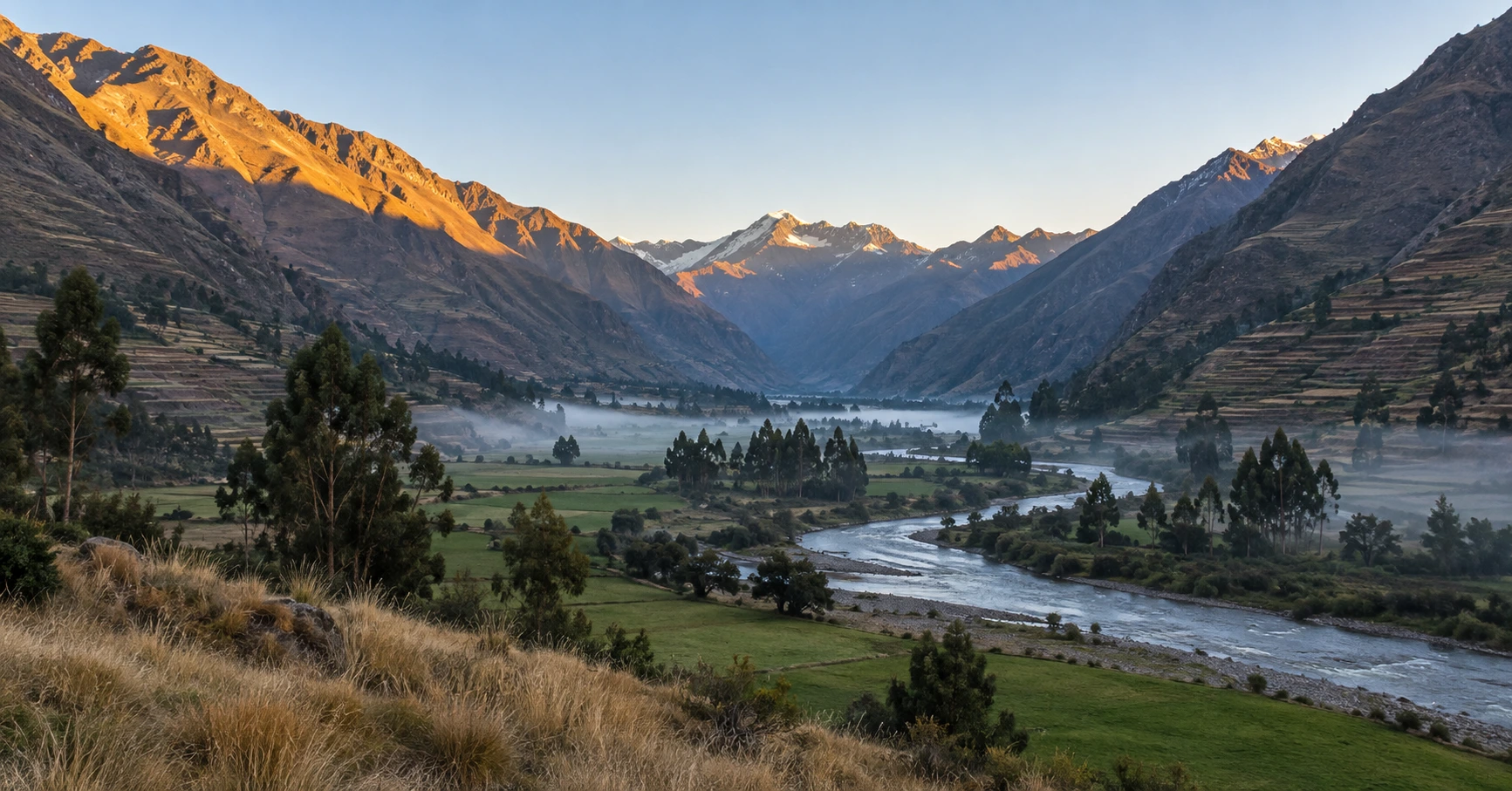
Cusco sits at 3,339 m and the CDC’s Peru guidance advises gradual ascent for travelers at risk, with acetazolamide prescribed where it is warranted. The Sacred Valley floor sits several hundred meters lower, which is why sleeping in the valley rather than the city is the standard advice for a first night in the region. A center that schedules your first ceremony for the night you land has not thought about this. Fasting, purging and a night without sleep all land harder at elevation.
11. How Far Is the Nearest Clinic and the Nearest Hospital, in Minutes and by What Road?
Minutes, not kilometers, and ask what the route is. A center reached only by boat has a different answer at 3 a.m. in the rain than it does on a brochure. Sealed road with no river crossing is a real answer. “Close by” is not.
12. Do You Require Travel Insurance With Medical Evacuation, and Do You Check It?
The State Department is blunt on this: “U.S. Medicare and Medicaid do not cover expenses or bills abroad,” most US plans do not cover you overseas, most hospitals abroad will not take US insurance, and travelers are advised to buy supplemental cover for medical evacuation. A center that requires proof and looks at the certificate is protecting you from a bill that can run past $25,000. A center that never mentions insurance has not thought about what happens on the worst night.
Questions 13 to 15: Money and the Company Behind the Name
Money questions come late on purpose, and one of them is the fastest check on this entire page.
13. What Is the Legal Name of the Company, and What Is Its Peruvian RUC Number?
This is the question nobody asks and the one I would ask first if I could only ask one. Every business operating legally in Peru has an RUC, an 11-digit taxpayer number, and anyone can look it up for free on SUNAT’s public register. Paste the number, and you see the registered name, the status, and whether the entity is active. It takes under a minute and no conversation. A brand name with no company behind it has nothing for you to hold if something goes wrong, and a center that will not tell you its legal name has answered you already.
14. When Do You Charge Me, and What Happens to My Money if a Doctor Declines Me?
The sequence reveals the business model. If money moves before a physician has looked at your file, screening is happening after the sale, which is the wrong way round. Ask for the refund position in writing, specifically for the case where the center is the one saying no. That is the scenario centers are vaguest about, and it is the one you are most likely to hit.
15. What Is Included, What Is Not, and What Does the Trip Total?
Get the excluded list, not the included one. Flights, travel insurance, the extra nights before and after, and airport transfers are where a $2,500 retreat quietly becomes $4,000. We published a full line-item breakdown of where the money goes in Peru, including the costs that never appear on a retreat page.
Questions 16 and 17: What Is in the Cup and Who Carries the Lineage
These 2 come last because they only matter once the safety answers hold, and because they are the questions that separate a tradition from a product.
16. What Is in the Brew, Who Cooks It, and Do You Add Anything Else?
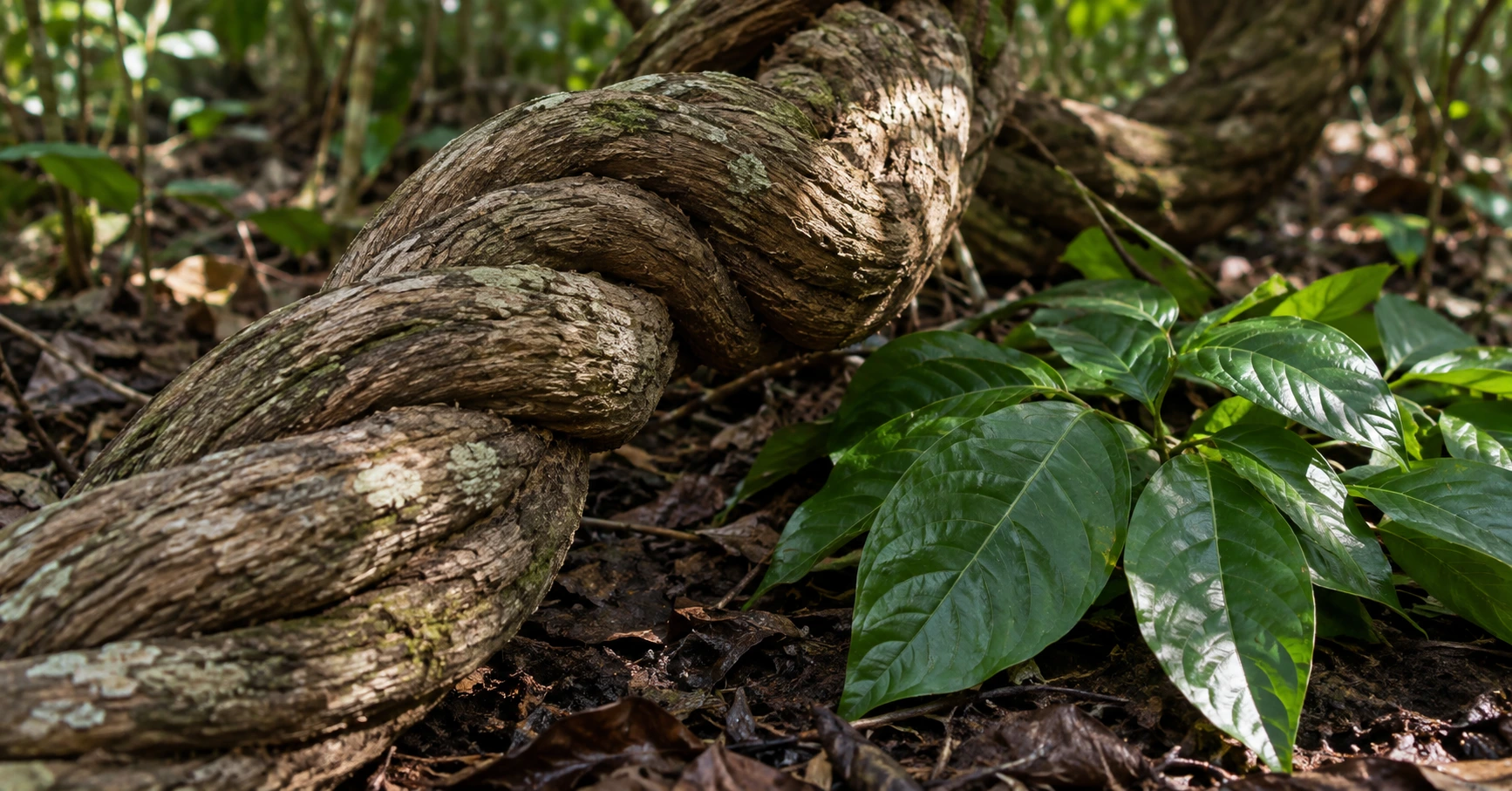
Vine and chacruna is the answer you want, cooked by a named maestro rather than bought in. The plant to ask about by name is toé, a Brugmansia species. Some centers add it to sharpen visions. It is a deliriant with a narrow margin, and a guest is rarely told. Ask the same question about the week itself: whether other medicines are stacked on the same days, and what the gap is. If a center offers kambo or bufo alongside ayahuasca, ask how many days sit between them and who decides you are ready.
17. Who Are the Maestros, Where Are They From, and How Many Years Each?
You want names, communities and years, not “our experienced Shipibo shamans.” A center that will not name the people holding the room is either hiring them by the week or does not know. Then ask the follow-up that changes the room temperature: what are they paid, and are they staff or contractors? Nobody enjoys that question, and the answer tells you whether the tradition is a partnership or a supply chain. Ours is on the team page with communities and years attached.
How Do You Verify the Answers Instead of Trusting Them?
3 of the 17 are checkable without the center’s help, which makes them worth more than the other 14 combined. The RUC number goes into SUNAT’s public register and comes back with a legal name and a status. The medical protocol either arrives as a file or it does not, and a week of silence is an answer. The maestros’ names and communities can be asked about, because the Shipibo world around Pucallpa and the Ucayali is small and people know who trained whom.
For the rest, put the questions in writing and keep the replies. A center that answers 17 emailed questions with specifics has already shown you how it will behave when something goes wrong at 2 a.m. One that answers with a phone call and a discount has shown you that too. We wrote a shorter version of this process as a way to sort the field, and this list is the long form of the same work.
Which Answers Should End the Conversation in 2026?
Some answers are not weak, they are disqualifying. If you hear any of these, stop and book elsewhere.
- “We have never had a problem.” No center that has been running ceremonies for years says this. It means no incidents were recorded, or none are being shared.
- A cure promised for depression, addiction, cancer or anything else. Peru does not regulate the claim, which is exactly why it gets made.
- No medical questions before payment.
- Unnamed healers, or healers who change every retreat.
- Ceremony every night for a week, with no rest days.
- A refusal to give the company’s legal name.
- Pressure to book now, or a discount offered the moment you hesitate.
The last one is worth sitting with. A center that discounts a health decision is treating it as a sale. Nothing about the medicine gets cheaper because you paused.
Does a Retreat Have to Pass All 17?
No, and a center that claims a perfect answer to every one is telling you something too. Some questions have honest imperfect answers. A remote jungle center cannot be 20 minutes from a hospital, and saying so plainly is better than pretending. What you are testing is whether the answers are specific, consistent, and offered without friction.
Watch the pattern across all 17 rather than any single reply. Specifics in writing, numbers they already know, and a willingness to name people is one kind of center. Warmth, photographs, and a request to hop on a call is another. Both feel good in the inbox. Only one of them behaves well at 3 a.m.
How We Answer All 17 Questions
Publishing our own answers is the only version of this article that is worth anything. Every figure below is on our Sacred Valley center page or our ayahuasca retreat page, so you can check us against ourselves.
| # | Question | Our answer |
|---|---|---|
| 1 | Who reads the medical file | Dr. Elena Márquez, internal medicine, Cusco, more than 10 years practicing |
| 2 | Protocol in writing before payment | Yes, sent as a document on request |
| 3 | Automatic no list | Any MAOI, schizophrenia, bipolar I, cardiac event inside 12 months, epilepsy, uncontrolled hypertension, severe liver disease, pregnancy, breastfeeding |
| 4 | Share of applications declined | Roughly 1 in 5, over about 2 weeks of screening |
| 5 | Medication tapers | Reviewed individually with your own prescriber. SSRIs, SNRIs, lithium, tramadol, triptans, stimulants and beta blockers all get case review |
| 6 | Guests and maestros in the room | 12 guests maximum, 1 maestro to 3 guests |
| 7 | Medical cover during ceremony | Physician on site every night, awake through the ceremony, oxygen and defibrillator in the building |
| 8 | Women in the room | Maestra Sanken Bea sits in ceremony, and female facilitators are present |
| 9 | Touch and consent | Verbal consent asked each time, explained in daylight before the first ceremony |
| 10 | Elevation and acclimatization | About 2,800 m on the valley floor, below Cusco’s 3,399 m, with 2 full days before the first ceremony |
| 11 | Distance to care | 20 minutes to a clinic, about 1 hour to a Cusco hospital, sealed road, no river crossing |
| 12 | Travel insurance | Required with medical evacuation cover, and we ask to see it |
| 13 | Legal name and RUC | Given on request so you can check it on SUNAT before you pay |
| 14 | When you are charged | Nothing is charged until a physician confirms your place. Declined applicants get written reasons and referrals |
| 15 | Price and exclusions | $5,800 all inclusive for 7 nights, $6,400 for the January Deepening week. Flights and insurance are not included |
| 16 | What is in the cup | Vine and chacruna, no toé. Kambo is optional and separate, never stacked on a ceremony day |
| 17 | The maestros | Rono Meni, 31 years, Paoyhan. Sanken Bea, 26 years, Nueva Betania. Inin Soi, 19 years, Paoyhan |
4 ceremonies across 7 nights, on nights 3, 4, 6 and 7, each running 5 to 6 hours from dusk. The full week runs hour by hour here, and a single night in the maloca is described here. Preparation starts before you fly, with 3 weeks of food and medication rules. Integration runs 12 months, with 4 calls in the first 3 months and quarterly after that. Ayahuasca has been protected as Peruvian cultural heritage since 2008, and we set out what that means for US travelers separately.
We make no medical claims and we do not promise outcomes. What we will do is answer every one of these 17 in writing, with names and numbers, before you send anyone money. Send the list to us and see what comes back, then send the same 17 to every other center you are considering. The questions to ask an ayahuasca retreat do not change from one center to the next. Compare the replies rather than the photographs.
Frequently Asked Questions
What Questions Should I Ask an Ayahuasca Retreat Before Booking?
Start with the 5 medical ones: who reads your medical file and with what credentials, whether the protocol comes in writing before payment, what is on the automatic no list, what share of applications are declined, and what the taper is for your specific medication. A center that answers those 5 with specifics will usually answer the other 12 well. One that deflects on those 5 will not improve.
Are Ayahuasca Retreats in Peru Regulated?
No. The US State Department states that the Peruvian government “does not regulate groups that offer ayahuasca or kambo” and that these groups “may not follow health and safety rules.” Ayahuasca itself has been protected as national cultural heritage in Peru since 2008, but that is a cultural designation, not a health inspection. There is no license to check and no register of approved centers.
How Do I Know if an Ayahuasca Retreat Is a Real Company?
Ask for the legal company name and its RUC, the 11-digit Peruvian taxpayer number, then look it up on SUNAT’s free public register at e-consultaruc.sunat.gob.pe. You will see the registered name and whether the entity is active. It takes under a minute. A center that will not give you the number has told you what you needed to know.
How Many Guests per Healer Is Safe at an Ayahuasca Ceremony?
There is no regulated standard, so use the ratio as a comparison rather than a pass mark. Ask for both numbers together, since a center that quotes group size alone is usually hiding the second one. We cap a retreat at 12 guests and publish our ratio as 1 maestro to every 3, which is the kind of number to hold any center to.
How Long Do I Need to Be Off Antidepressants Before an Ayahuasca Retreat?
Longer than most centers tell you, and only your prescriber can set the schedule. For fluoxetine, the FDA-approved Prozac label calls for at least 5 weeks before starting an MAOI, because the drug and its active metabolite clear slowly. Ayahuasca is not a prescription MAOI, so treat that as the cautious reading rather than a tested rule, and never taper on a retreat center’s say-so.
Do I Need Vaccinations or Malaria Pills for a Sacred Valley Retreat?
Less than an Amazon retreat requires. The CDC’s Peru guidance puts malaria risk as insignificant at Cusco, Machu Picchu, the Sacred Valley and Lake Titicaca, and yellow fever vaccination is not recommended for the coastal regions including Lima or listed for the high-altitude destinations. Altitude is the real preparation item here, not tropical disease. Confirm your own itinerary with a travel clinic, because an Amazon leg changes the answer.
What Should Make Me Walk Away From an Ayahuasca Retreat?
A promised cure, unnamed healers, no medical questions before payment, “we have never had a problem,” ceremony every night with no rest days, a refusal to give the company’s legal name, and any discount offered the moment you hesitate. Any one of those is enough on its own. In the Global Ayahuasca Survey of 8,216 people, drinking in a non-supervised context was among the predictors of adverse effects, and every item on that list is a supervision signal.